98
AIWO Smart Report
Teena
Patient ID: 722571
TL
Female
Gender
22
Age (Yrs)
44
Weight (kg)
157
Height (cm)
98
Biomarkers
Consulting Physician
Dr. Jaya Lalwani
Internal Medicine
Report Date
15 December 2025
Next: 15 March 2026
Contents Analysis Assessment Recommendations
Name
Teena
Gender
Female
Age
22 Years
Biomarkers
98
Report Date
15/12/2025

Table of Contents

Navigation Guide
1
Introduction & Health Overview
AIWO Smart Analysis & Health Scorecard
3-4
2
Body Systems Visual Overview
Visual biomarker mapping on body diagram
5-6
3
Doctor's Summary & Critical Parameters
Health concerns, key biomarkers & nutrient deficiencies
7-12
4
Blood Test Results
Complete biomarker analysis with reference ranges
13-22
5
Functional Body Systems
Detailed dysfunction assessment & hormone balance
23-24
6
Reference & Historical Trends
Biomarker guide, understanding results & tracking
25-29
7
Recommendations & Health Advisory
Supplements, lifestyle & diet guidelines
30-32
8
Resources & Contact
AIWO Breathing Kit, Wellness Centers & Disclaimer
33-35
98
Biomarkers Analyzed
75
Optimal Range
7
Need Attention
Contents Analysis Assessment Recommendations
Name
Teena
Gender
Female
Age
22 Years
Biomarkers
98
Report Date
15/12/2025

AIWO Smart Analysis

Introduction

Understanding the difference between conventional and functional approaches to blood chemistry analysis.

What's Inside This Report

Complete Blood Count Analysis
Metabolic & Glucose Markers
Lipid & Cardiovascular Panel
Hormone & Thyroid Function
Vitamin & Mineral Status
Liver & Kidney Function

Why Blood Testing?

Blood testing is the most comprehensive window into your body's internal environment. It reveals nutritional status, organ function, metabolic health, and early warning signs that may not present symptoms yet.

  • Detects imbalances before symptoms appear
  • Provides objective, measurable data
  • Tracks changes over time
  • Guides personalized interventions

The Functional Approach

Functional medicine uses optimal ranges instead of just "normal" ranges. Standard lab ranges are based on population averages—including unhealthy individuals. Optimal ranges reflect where your markers should be for peak health.

Example: Standard fasting glucose "normal" is 70-100 mg/dL. Optimal functional range is 80-95 mg/dL to prevent insulin resistance.

Understanding the 7-Zone Classification

CRITICAL LOW
Urgent
LOW
Below range
SUBOPTIMAL
Monitor
OPTIMAL
Target zone
HIGH SUBOPT
Monitor
HIGH
Above range
CRITICAL HIGH
Urgent

Your Analysis Summary

98
Total Markers
77%
Optimal
15%
Borderline
8%
Out of Range

This report identifies patterns in your biomarkers to help you and your healthcare provider make informed decisions about your health optimization journey.

Contents Analysis Assessment Recommendations
Name
Teena
Gender
Female
Age
22 Years
Biomarkers
98
Report Date
15/12/2025

Health Scorecard

Key Indicators
HbA1c
4.7%
Optimal
HS-CRP
0.76
Optimal
TG/HDL
1.09
Optimal
HOMA-IR
2.73
Monitor

Health Panels Status

12 Panels
All 98
Low 3
Below Optimal 8
Optimal 75
Above Optimal 7
High 5
Thyroid
Diabetes
Liver
Cardiac
Lipid
Pancreas
Kidneys
Arthritis
Iron
Steroids
Tumour
STD
Contents Analysis Assessment Recommendations
Name
Teena
Gender
Female
Age
22 Years
Biomarkers
98
Report Date
15/12/2025

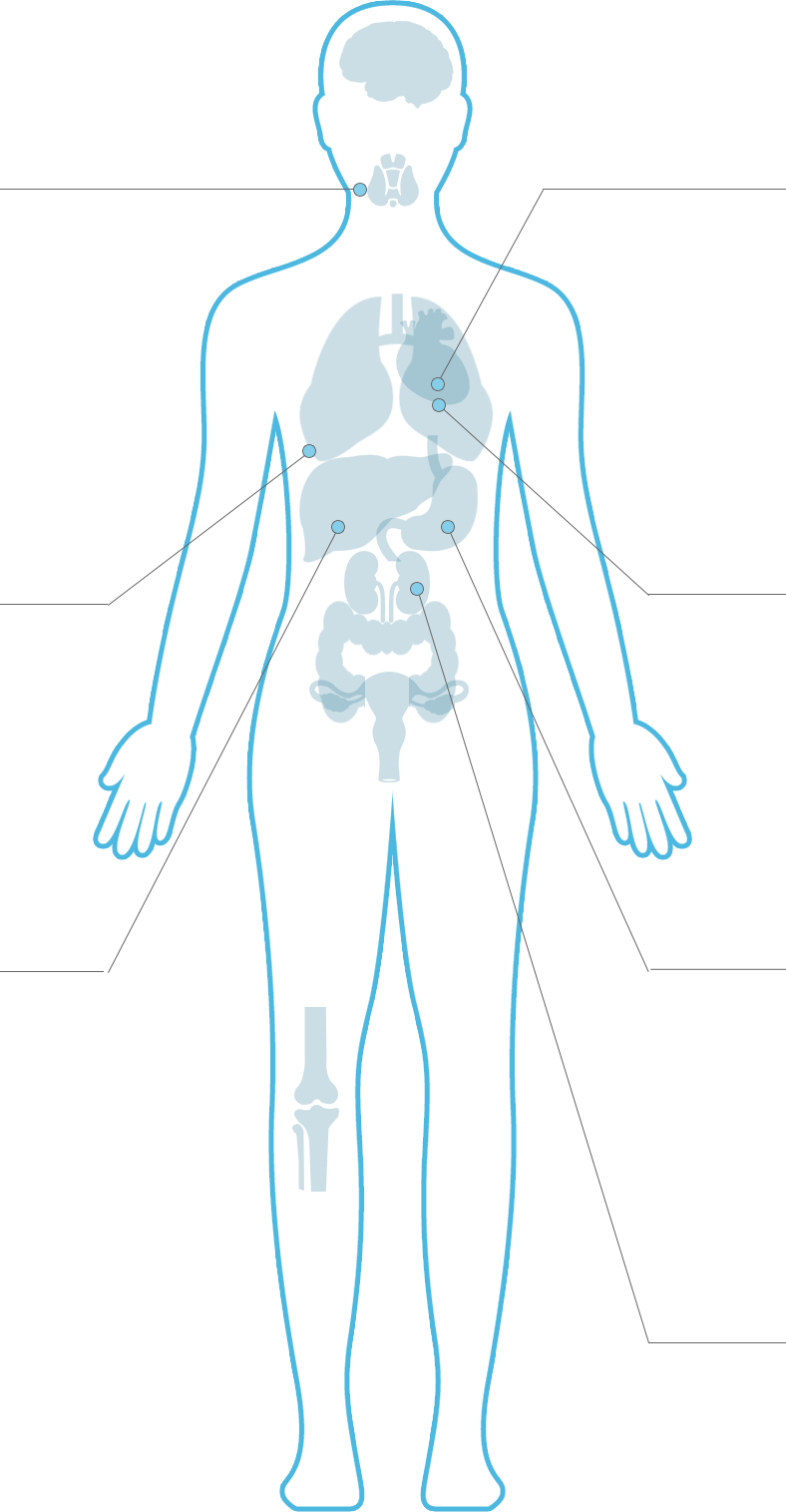
Body Systems Overview

Visual Summary

Your biomarkers mapped to body systems. Colors indicate status: Normal Borderline Abnormal Untested

THYROID
T3
T4
TSH
DIABETES
Fasting Blood Sugar
HbA1C
HOMA-IR
LIVER
GGT
SGOT
SGPT
Serum Albumin
Bilirubin - Total
Alkaline Phosphatase
ARTHRITIS
Rheumatoid Factor
ANA
Body Systems Diagram
HEART
Homocysteine
Apolipoprotein - B
HS-CRP
LIPID
LDL
Total Cholesterol
HDL
Triglycerides
PANCREAS
Lipase
Amylase
KIDNEYS
Uric Acid
Serum Creatinin
Blood Urea Nitrogen
Calcium
Sodium
Chloride
Contents Analysis Assessment Recommendations
Name
Teena
Gender
Female
Age
22 Years
Biomarkers
98
Report Date
15/12/2025

Body Systems Overview

Continued

Additional biomarker panels mapped to body systems.

STEROIDS PANEL
Cortisol
Estradiol
Progesterone
Testosterone
TUMOUR PANEL
CA 15.3
CA-125
Alpha Feto Protein
Carcino Embryonic Antigen
STD PANEL
HbSAg
VDRL
IRON
Serum Ferritin
Serum Iron
Body Systems Diagram
Status Summary
Normal
75
Borderline
15
Abnormal
5
Untested
3
Key Findings
Vitamin D Critical Low
5.14 ng/mL (Optimal: 30-100)
Testosterone Elevated
48.1 ng/dL (Optimal: 2-45)
Vitamin B12 Low
173 pg/mL (Optimal: 300-800)
Fasting Insulin High
13.8 µU/ml (Optimal: 2-6)
Contents Analysis Assessment Recommendations
Name
Teena
Gender
Female
Age
22 Years
Biomarkers
98
Report Date
15/12/2025

Doctor's Summary

Clinical Overview

Summary of parameters requiring attention. Values are compared with previous results where available to identify trends.

Abnormal Profiles

Profile Current Value
(15/12/2025)
Past Value Trend Range
Complete Urine Analysis
Urine Blood PRESENT ABSENT
Colour Yellow CLEAR, PALE YELLOW
Appearance Hazy CLEAR
Steroids Panel
Testosterone 48.1 2.00 - 45.00
Fat Soluble Vitamins
Vitamin D Total 5.14 20.00 - 100.00
Contents Analysis Assessment Recommendations
Name
Teena
Gender
Female
Age
22 Years
Biomarkers
98
Report Date
15/12/2025

Doctor's Summary (Continued)

Borderline Values

Borderline Profiles

Profile Current Value
(15/12/2025)
Past Value Trend Range
Kidney Profile
Uric Acid 2.2 4.00 - 8.00
Blood Urea Nitrogen (BUN) 6.7 7.00 - 25.00
Diabetes Profile
Insulin - Fasting 13.8 0 - 12.00
Microalbuminuria
Creatinine - Urine 419.0 20.00 - 320.00
Liver Profile
Bilirubin - Direct 0.31 0 - 0.20
Complete Urine Analysis
Epithelial Cells 6 - 8 0 - 3.00
Electrolytes
Potassium 3.3 3.50 - 5.30
Complete Hemogram
Platelet Distribution Width (PDW) 16.0 9.60 - 15.20
Vitamins B Complex
Vitamin B-12 173.0 200.00 - 1100.00
Cardiac Risk Markers
Lipoprotein (a) [Lp(a)] 38.2 0 - 30.00
Abnormal
Borderline
Improving
Declining
No Prior Data
Contents Analysis Assessment Recommendations
Name
Teena
Gender
Female
Age
22 Years
Biomarkers
98
Report Date
15/12/2025

Critical Parameters & Actions

7 Priority Items

Key biomarkers requiring attention with recommended actions. Work with your healthcare provider to implement these changes.

Vitamin D Total
5.14 ng/mL Critical Low
Severely deficient. Affects immune function, bone health, inflammation. Optimal: 30-75 ng/mL
☀️ 15-20 min sunlight 💊 D3 60,000 IU/week 🐟 Fatty fish, eggs 🔄 Retest 8 weeks
Vitamin B12
173 pg/mL Low
Affects energy, nerve function, red blood cells. Causes fatigue & cognitive issues. Optimal: 300-900 pg/mL
💊 Methylcobalamin 1500 mcg/day 🥩 Red meat, fish, dairy 🚫 Reduce alcohol
HOMA-IR (Insulin Resistance)
2.72 High
Indicates insulin resistance, precursor to Type 2 diabetes. Optimal: 0.5-1.5
🥗 Low-carb, high-fiber 🏃 30 min exercise daily ⏰ Intermittent fasting
Testosterone
48.1 ng/dL High
May indicate PCOS, adrenal dysfunction. Affects menstrual regularity, skin. Optimal (F): 15-45 ng/dL
👩‍⚕️ Consult endocrinologist 🔬 Test LH/FSH, DHEA 🥗 Anti-inflammatory diet
Fasting Insulin
13.8 µU/mL High Subopt
Pancreas working harder to maintain blood sugar. Early insulin resistance sign. Optimal: 2.6-11 µU/mL
🥗 Low-carb diet 🏃 Exercise daily 💊 Berberine supplement
Uric Acid
2.2 mg/dL Low
May indicate liver issues, malnutrition, or excess hydration. Has neuroprotective role.
🥩 Ensure adequate protein 💧 Moderate fluid intake 🔬 Check liver function
Potassium
3.3 mmol/L Low
Essential for nerve conduction, muscle function, heart rhythm. Low levels cause weakness and cramps.
🍌 Bananas, oranges, spinach 🥔 Potatoes, sweet potatoes 🥥 Coconut water
Contents Analysis Assessment Recommendations
Name
Teena
Gender
Female
Age
22 Years
Biomarkers
98
Report Date
15/12/2025

Health Concerns Analysis

4 Areas Identified

Based on your biomarker analysis, the following health concerns have been identified. Each concern is rated by support need percentage indicating priority level.

4
CONCERNS IDENTIFIED
1 Critical
1 High
1 Moderate
1 Low
69%
AVG SUPPORT NEED
Focus on critical and high priority items first for maximum health improvement.
Vitamin Deficiency
Vitamin D & B12 critically low
95%
Support Need
Severe Vitamin D deficiency (5.14 ng/mL) and suboptimal B12 levels require immediate supplementation. Both vitamins are essential for immune function, bone health, and neurological well-being.
Hormonal Imbalance
Elevated testosterone levels
78%
Support Need
Testosterone at 48.1 ng/dL exceeds optimal range. May indicate PCOS or adrenal dysfunction. Recommend endocrinology consultation for further evaluation.
Blood Sugar Regulation
Elevated fasting insulin
58%
Support Need
Fasting insulin at 13.8 µU/ml suggests developing insulin resistance. Focus on low glycemic diet, regular exercise, and stress management to improve metabolic health.
Kidney Markers
Slightly elevated creatinine
45%
Support Need
Minor elevation in kidney markers. Maintain adequate hydration, reduce sodium intake, and monitor in follow-up testing. Current levels are not concerning but worth tracking.
Contents Analysis Assessment Recommendations
Name
Teena
Gender
Female
Age
22 Years
Biomarkers
98
Report Date
15/12/2025

Key Biomarkers

Indicators
Range Guide: Critical Low Low Suboptimal Optimal High Suboptimal High Critical High
Vitamin D Total
ng/mL
5.14
Critical Low
0-10 10-20 20-30 30-75 75-100 100-150 >150
Testosterone (F)
ng/dL
48.1
High
<2 2-8 8-15 15-45 45-50 50-70 >70
Vitamin B12
pg/mL
173
Low
<150 150-200 200-300 300-900 900-1100 >1100 >2000
Fasting Blood Sugar
mg/dL
80.0
Optimal
<55 55-65 65-80 80-95 95-100 100-126 >126
Contents Analysis Assessment Recommendations
Name
Teena
Gender
Female
Age
22 Years
Biomarkers
98
Report Date
15/12/2025

Nutrient Deficiency Analysis

Priority Action Required

Based on your blood biomarkers, the following nutrients show deficiency levels requiring attention. Food sources are suggested alongside supplementation options.

Folate (B9)
LOW
8.2 ng/mL
Optimal: 15-25 ng/mL • Low: <10 ng/mL
🥬 Leafy Greens 🫘 Legumes 🥑 Avocado 🍊 Citrus
Iron (Ferritin)
LOW
28 ng/mL
Optimal: 50-150 ng/mL • Low: <30 ng/mL
🥩 Red Meat 🥬 Spinach 🫘 Lentils 🦪 Shellfish
Magnesium
OPTIMAL
2.1 mg/dL
Optimal: 2.0-2.5 mg/dL
🥜 Nuts 🌾 Whole Grains 🥬 Greens 🍫 Dark Chocolate
Zinc
OPTIMAL
95 µg/dL
Optimal: 70-120 µg/dL
🦪 Oysters 🥩 Beef 🎃 Pumpkin Seeds 🥜 Cashews
Attention Recommended
Folate (B9) and Iron (Ferritin) levels are below optimal range. Consider dietary adjustments to increase intake of leafy greens, legumes, and iron-rich foods. Retest in 3 months to monitor progress.
Laboratory
Blood Test
Medical Analysis
02
COMPREHENSIVE ANALYSIS

Blood Test
Results

Blood Glucose & Metabolic Markers
Electrolytes & Minerals
Liver & Kidney Function
Lipid Profile & Cardiovascular
Complete Blood Count (CBC)
Contents Analysis Assessment Recommendations
Name
Teena
Gender
Female
Age
22 Years
Biomarkers
98
Report Date
15/12/2025

Blood Test Results

Section 2: Analysis
Range Guide: Critical Low Low Suboptimal Optimal High Suboptimal High Critical High
Blood Glucose Panel 6 tests
Fasting Glucose
80.0
mg/dL
Opt: 80-95
Optimal
HbA1c
4.7
%
Opt: 4.0-5.4
Optimal
eAG (Est. Avg Glucose)
88.5
mg/dL
Opt: 80-111
Optimal
NEW
Insulin Fasting
13.8
µU/mL
Opt: 2.6-11
High Subopt
HOMA-IR
2.72
index
Opt: 0.5-1.5
High
HOMA-B
186.5
%
Opt: 60-150
High Subopt
NEW
Kidney Function Panel 5 tests
BUN
17.5
mg/dL
Opt: 13-22
Optimal
Creatinine
0.85
mg/dL
Opt: 0.7-1.1
Optimal
BUN/Creatinine Ratio
20.6
ratio
Opt: 15-20
High Subopt
NEW
eGFR
105
mL/min
Opt: 90-120
Optimal
Uric Acid
5.2
mg/dL
Opt: 4-6
Optimal
Contents Analysis Assessment Recommendations
Name
Teena
Gender
Female
Age
22 Years
Biomarkers
98
Report Date
15/12/2025

Blood Test Results (Continued)

Section 2: Analysis
Range Guide: Critical Low Low Suboptimal Optimal High Suboptimal High Critical High
Electrolytes Panel 5 tests
Sodium
141
mEq/L
Opt: 138-145
Optimal
Potassium
4.3
mEq/L
Opt: 4.0-4.7
Optimal
Chloride
103
mEq/L
Opt: 100-106
Optimal
CO2
26
mEq/L
Opt: 24-28
Optimal
NEW
Anion Gap
12
mEq/L
Opt: 8-14
Optimal
Contents Analysis Assessment Recommendations
Name
Teena
Gender
Female
Age
22 Years
Biomarkers
98
Report Date
15/12/2025
Proteins Panel 4 tests
Total Protein
7.2
g/dL
Opt: 6.6-7.8
Optimal
Albumin
4.8
g/dL
Opt: 4.4-5.5
Optimal
Globulin
2.4
g/dL
Opt: 2.1-2.8
Optimal
A/G Ratio
2.0
ratio
Opt: 1.7-2.2
Optimal
NEW
Minerals Panel 4 tests
Calcium
9.6
mg/dL
Opt: 9.2-10.2
Optimal
Magnesium
1.8
mg/dL
Opt: 2.0-2.5
Suboptimal
Phosphorus
3.2
mg/dL
Opt: 2.5-3.5
Optimal
NEW
Zinc
72
µg/dL
Opt: 80-130
Suboptimal
Contents Analysis Assessment Recommendations
Name
Teena
Gender
Female
Age
22 Years
Biomarkers
98
Report Date
15/12/2025

Blood Test Results (Continued)

Section 2: Analysis
Range Guide: Critical Low Low Suboptimal Optimal High Suboptimal High Critical High
Liver & Gallbladder Panel 6 tests
ALP
52
U/L
Opt: 30-60
Optimal
AST (SGOT)
22
U/L
Opt: 15-28
Optimal
ALT (SGPT)
18
U/L
Opt: 10-26
Optimal
Total Bilirubin
0.6
mg/dL
Opt: 0.4-1.0
Optimal
NEW
Direct Bilirubin
0.15
mg/dL
Opt: 0.1-0.3
Optimal
NEW
GGT
8
U/L
Opt: 3-15
Optimal
Contents Analysis Assessment Recommendations
Name
Teena
Gender
Female
Age
22 Years
Biomarkers
98
Report Date
15/12/2025
Iron Markers Panel 5 tests
Iron, Serum
95
µg/dL
Opt: 70-120
Optimal
Ferritin
28
ng/mL
Opt: 40-100
Suboptimal
TIBC
345
µg/dL
Opt: 300-400
Optimal
NEW
% Transferrin Sat
28
%
Opt: 25-35
Optimal
NEW
Hemoglobin
14.0
g/dL
Opt: 12-16
Optimal
Vitamins & Hormones Panel 6 tests
Vitamin D Total
5.14
ng/mL
Opt: 30-75
Critical Low
Vitamin B12
173
pg/mL
Opt: 300-900
Low
Folate (B9)
14.2
ng/mL
Opt: 11-22.6
Optimal
TSH
2.1
µIU/mL
Opt: 1.5-2.5
Optimal
Free T3
0.38
ng/dL
Opt: 0.3-0.47
Optimal
NEW
Testosterone
48.1
ng/dL
Opt: 15-45 (F)
High
Contents Analysis Assessment Recommendations
Name
Teena
Gender
Female
Age
22 Years
Biomarkers
98
Report Date
15/12/2025

Blood Test Results (Continued)

Section 2: Analysis
Range Guide: Critical Low Low Suboptimal Optimal High Suboptimal High Critical High
Lipid Profile Panel 7 tests
Total Cholesterol
130
mg/dL
Opt: 0-200
Optimal
HDL
52.2
mg/dL
Opt: 45-80
Optimal
LDL
72.0
mg/dL
Opt: 50-100
Optimal
VLDL
11.4
mg/dL
Opt: 0-20
Optimal
NEW
Triglycerides
56.8
mg/dL
Opt: 0-100
Optimal
LDL/HDL Ratio
1.38
ratio
Opt: 0.5-2.3
Optimal
NEW
Non-HDL Cholesterol
77.8
mg/dL
Opt: 0-130
Optimal
NEW
Contents Analysis Assessment Recommendations
Name
Teena
Gender
Female
Age
22 Years
Biomarkers
98
Report Date
15/12/2025
Complete Blood Count (CBC) 8 tests
RBC Count
4.84
M/µL
Opt: 4.2-5.8
Optimal
WBC Count
8.55
K/µL
Opt: 4-6.5
High Subopt
Platelets
246
K/µL
Opt: 150-350
Optimal
NEW
Hematocrit (HCT)
42.5
%
Opt: 38-46
Optimal
MCV
88
fL
Opt: 85-93
Optimal
MCH
28.9
pg
Opt: 27-31
Optimal
NEW
MCHC
33.0
g/dL
Opt: 32-36
Optimal
RDW-CV
12.8
%
Opt: 11.5-13
Optimal
NEW
WBC Differential 5 tests
Neutrophils
62
%
Opt: 40-55
High Subopt
Lymphocytes
28
%
Opt: 30-40
Suboptimal
Monocytes
6
%
Opt: 4-8
Optimal
Eosinophils
3
%
Opt: 1-4
Optimal
NEW
Basophils
1
%
Opt: 0-2
Optimal
NEW
Contents Analysis Assessment Recommendations
Name
Teena
Gender
Female
Age
22 Years
Biomarkers
98
Report Date
15/12/2025

Blood Test Results (Continued)

Section 2: Analysis
Range Guide: Critical Low Low Suboptimal Optimal High Suboptimal High Critical High
Inflammatory Markers 4 tests
hs-CRP
1.8
mg/L
Opt: 0-0.5
High Subopt
ESR
12
mm/hr
Opt: 0-15
Optimal
Homocysteine
8.2
µmol/L
Opt: 5-9
Optimal
LDH
165
U/L
Opt: 115-200
Optimal
NEW
Contents Analysis Assessment Recommendations
Name
Teena
Gender
Female
Age
22 Years
Biomarkers
98
Report Date
15/12/2025

Blood Test Comparative Analysis

Current vs Previous

Compare your current results with your previous test from July 2024. Arrows indicate the direction of change. Green indicates improvement toward optimal, red indicates movement away from optimal.

Biomarker Jul 2024 Jan 2025 Change Optimal Range Status
Vitamin D Total 8.2 ng/mL 5.14 ng/mL ↓ 37% 30-75 ng/mL Critical Low
Vitamin B12 185 pg/mL 173 pg/mL ↓ 6% 300-900 pg/mL Low
Fasting Insulin 11.2 µU/mL 13.8 µU/mL ↑ 23% 2.6-11 µU/mL High Subopt
HOMA-IR 2.15 2.72 ↑ 26% 0.5-1.5 High
Hemoglobin 13.2 g/dL 14.0 g/dL ↑ 6% 12-16 g/dL Optimal
Total Cholesterol 158 mg/dL 130 mg/dL ↓ 18% 0-200 mg/dL Optimal
HDL Cholesterol 48.5 mg/dL 52.2 mg/dL ↑ 8% 45-80 mg/dL Optimal
Fasting Glucose 82 mg/dL 80 mg/dL → 2% 80-95 mg/dL Optimal
HbA1c 4.8% 4.7% → 2% 4.0-5.4% Optimal
TSH 2.0 µIU/mL 2.1 µIU/mL → 5% 1.5-2.5 µIU/mL Optimal
Creatinine 0.82 mg/dL 0.85 mg/dL → 4% 0.7-1.1 mg/dL Optimal
3
Improved
5
Stable
2
Needs Attention
2
Worsened
Contents Analysis Assessment Recommendations
Name
Teena
Gender
Female
Age
22 Years
Biomarkers
98
Report Date
15/12/2025

Functional Body Systems Assessment

Section 3: Assessment

Your biomarkers are analyzed using functional medicine algorithms to identify patterns indicating potential dysfunction. Higher percentages indicate greater probability of system imbalance requiring attention.

Vitamin Status
95%
Critical: Vitamin D & B12 severely deficient. Immediate supplementation recommended.
Key markers: Vit D, B12, Folate
Hormone Balance
78%
High: Elevated testosterone suggests possible hormonal imbalance. Further evaluation advised.
Key markers: Testosterone, SHBG, DHEA
Blood Sugar
68%
Moderate: Elevated insulin & HOMA-IR indicate early insulin resistance. Lifestyle changes needed.
Key markers: Insulin, HOMA-IR, Glucose
Kidney Function
45%
Low-Moderate: BUN/Creatinine ratio slightly elevated. Monitor hydration and protein intake.
Key markers: BUN, Creatinine, eGFR
Cardiovascular
32%
Low Risk: Lipid panel is optimal. HDL and LDL ratios are excellent. Continue healthy habits.
Key markers: LDL, HDL, Triglycerides
Immune Function
38%
Low-Moderate: WBC slightly elevated, hs-CRP indicates mild inflammation. Monitor lifestyle factors.
Key markers: WBC, hs-CRP, Lymphocytes
Liver Function
22%
Low Risk: All liver enzymes within optimal range. Excellent liver health maintained.
Key markers: AST, ALT, ALP, GGT
Thyroid Function
18%
Low Risk: TSH and Free T3 are optimal. Thyroid function appears healthy.
Key markers: TSH, Free T3, Free T4
Red Blood Cells
15%
Low Risk: Hemoglobin, RBC, and indices are optimal. Good oxygen-carrying capacity.
Key markers: RBC, Hemoglobin, MCV
Critical (>85%)
High (60-85%)
Moderate (40-60%)
Low (<40%)
Contents Analysis Assessment Recommendations
Name
Teena
Gender
Female
Age
22 Years
Biomarkers
98
Report Date
15/12/2025

Priority Systems - Detailed Analysis

Requires Attention
Vitamin Status Dysfunction
Critical - Immediate Action Required
95%
Dysfunction Probability
What This Means
Your vitamin levels show significant deficiencies that can impact multiple body systems. Vitamin D at 5.14 ng/mL is critically low (optimal: 30-75 ng/mL), affecting bone health, immune function, and mood. Vitamin B12 at 173 pg/mL is also low (optimal: 300-900 pg/mL), which can cause fatigue, neurological issues, and impaired methylation.
Biomarkers Considered
Vitamin D: 5.14 (Critical Low)
Vitamin B12: 173 (Low)
Folate: 14.2 (Optimal)
Recommended Tests
25-OH Vitamin D
Active B12 (Holotranscobalamin)
MMA (Methylmalonic Acid)
Blood Sugar Regulation
High Risk - Lifestyle Modification Needed
68%
Dysfunction Probability
What This Means
Your blood sugar markers indicate early insulin resistance. While fasting glucose (80 mg/dL) and HbA1c (4.7%) are optimal, your fasting insulin (13.8 µU/mL) and HOMA-IR (2.72) are elevated. This means your body is producing extra insulin to maintain normal blood sugar - an early warning sign of metabolic dysfunction that can lead to type 2 diabetes if not addressed.
Biomarkers Considered
Fasting Glucose: 80 (Optimal)
Fasting Insulin: 13.8 (High Subopt)
HOMA-IR: 2.72 (High)
Recommended Tests
Oral Glucose Tolerance Test
C-Peptide
Adiponectin
Contents Analysis Assessment Recommendations
Name
Teena
Gender
Female
Age
22 Years
Biomarkers
98
Report Date
15/12/2025

Priority Systems - Detailed Analysis (Continued)

Requires Attention
Hormone Balance
High Risk - Further Evaluation Advised
78%
Dysfunction Probability
What This Means
Your testosterone level (48.1 ng/dL) is elevated for females (optimal: 15-45 ng/dL). Combined with the insulin resistance pattern, this may suggest a condition like PCOS (Polycystic Ovary Syndrome). Elevated androgens can affect menstrual cycles, skin health, and metabolic function. Thyroid markers (TSH, T3) are optimal, ruling out thyroid-related hormonal issues.
Biomarkers Considered
Testosterone: 48.1 (High)
TSH: 2.1 (Optimal)
Free T3: 0.38 (Optimal)
Recommended Tests
LH/FSH Ratio
Free Testosterone
Anti-Müllerian Hormone (AMH)
Contents Analysis Assessment Recommendations
Name
Teena
Gender
Female
Age
22 Years
Biomarkers
98
Report Date
15/12/2025

Understanding Your Results

Education

Vitamin D (25-Hydroxy)

The "sunshine vitamin" that helps maintain healthy calcium and phosphorus levels. Critical for bone health, muscle strength, immune function, and insulin secretion.

Your Result: 5.14 ng/mL indicates severe deficiency. This level requires immediate attention and high-dose supplementation.

Lifestyle Recommendations

15-20 min morning sunlight daily (arms & face exposed)
Eat fatty fish (salmon, tuna), egg yolks, fortified foods
Take 60,000 IU weekly with fatty meal for absorption
Avoid smoking as it reduces vitamin D levels

Testosterone

Primary sex hormone affecting muscle mass, bone density, fat distribution, mood, and reproductive health. Levels vary based on age, time of day, and menstrual cycle.

Your Result: 48.1 ng/dL is elevated for females. May indicate PCOS, adrenal hyperplasia, or other hormonal conditions. Recommend endocrinology consultation.

Lifestyle Recommendations

Anti-inflammatory diet rich in vegetables and omega-3s
Stress management through yoga or meditation
Regular moderate exercise (avoid overtraining)
Consult endocrinologist for hormone evaluation

Historical Comparison

Trend Analysis
Biomarker Current Previous Change Status
Vitamin D 5.14 ng/mL 8.2 ng/mL ↓ 3.06
Vitamin B12 173 pg/mL 165 pg/mL ↑ 8
Hemoglobin 14.0 g/dL 13.5 g/dL ↑ 0.5
Fasting Insulin 13.8 µU/ml 11.2 µU/ml ↑ 2.6
Total Cholesterol 130 mg/dL 145 mg/dL ↓ 15
Contents Analysis Assessment Recommendations
Name
Teena
Gender
Female
Age
22 Years
Biomarkers
98
Report Date
15/12/2025

Biomarker Reference Guide

Educational

Understanding what each biomarker measures, why it matters, optimal ranges, and food sources to optimize your levels.

Hematology Panel
Hemoglobin (Hb) 14.0 g/dL
What is it?
Protein in red blood cells that carries oxygen from lungs to body tissues.
Why Important?
Low levels cause anemia, fatigue, weakness, and shortness of breath.
Optimal Range
12.0 - 15.5 g/dL (Female) · Your level is optimal.
Food Sources
Red meatSpinachLentilsEggs
RBC Count 4.84 M/µL
What is it?
Number of red blood cells that transport oxygen throughout your body.
Why Important?
Low RBC = anemia; High RBC may signal dehydration or bone marrow issues.
Optimal Range
4.0 - 5.5 M/µL (Female) · Your level is optimal.
Food Sources
Iron-rich meatsVitamin CLeafy greens
WBC Count 8.55 K/µL
What is it?
Immune cells that fight infections, bacteria, and viruses in your body.
Why Important?
High = infection/inflammation; Low = weakened immune defense.
Optimal Range
4.5 - 11.0 K/µL · Your level is optimal.
Boost Immunity
CitrusGarlicGingerSleep
Platelets 246 K/µL
What is it?
Cell fragments that help blood clot and stop bleeding from injuries.
Why Important?
Low = easy bruising/bleeding; High = increased clot risk.
Optimal Range
150 - 400 K/µL · Your level is optimal.
Support With
Folate foodsVitamin CB12 sources
PDW 16.0%
What is it?
Platelet Distribution Width - measures variation in platelet sizes.
Why Important?
Elevated may indicate platelet activation or inflammation.
Optimal Range
9.6 - 15.2% · Slightly elevated. Monitor in follow-up.
Recommendations
💧 Stay hydrated🔬 Recheck 3 months
Glucose & Diabetes Panel
Fasting Glucose 80.0 mg/dL
What is it?
Blood sugar level after 8-12 hours fasting. Primary energy for cells.
Why Important?
High = prediabetes/diabetes; Low = dizziness, fatigue.
Optimal Range
70 - 100 mg/dL · Your level is optimal.
Maintain With
Low glycemicExerciseSleep
HbA1c 4.7%
What is it?
Average blood sugar over 2-3 months. Best long-term diabetes indicator.
Why Important?
High HbA1c damages blood vessels, nerves, kidneys, and eyes.
Optimal Range
4.0 - 5.6% · Excellent. No diabetes risk.
Maintain With
Fiber-rich dietDaily activityHealthy weight
Fasting Insulin 13.8 µU/ml
What is it?
Hormone that regulates blood sugar by helping cells absorb glucose.
Why Important?
High insulin = insulin resistance, increasing Type 2 diabetes risk.
Optimal Range
2 - 12 µU/ml · Early insulin resistance detected.
Improve With
Leafy greensBerriesNutsExercise
Contents Analysis Assessment Recommendations
Name
Teena
Gender
Female
Age
22 Years
Biomarkers
98
Report Date
15/12/2025

Biomarker Reference Guide

Continued
Vitamins & Hormones
Vitamin D 5.14 ng/mL
What is it?
Fat-soluble "sunshine vitamin" for calcium absorption and bone health.
Why Important?
Deficiency causes bone pain, weakness, fatigue, depression, weak immunity.
Optimal Range
30 - 100 ng/mL · SEVERE DEFICIENCY. Supplement immediately.
Food Sources
SalmonMackerelEgg yolksMushroomsSunlight
Vitamin B12 173 pg/mL
What is it?
Water-soluble vitamin for nerve function, DNA, and red blood cells.
Why Important?
Low B12 = fatigue, numbness, tingling, memory issues, anemia.
Optimal Range
300 - 900 pg/mL · Below optimal. Supplementation needed.
Food Sources
LiverFishDairyEggsCheese
Testosterone 48.1 ng/dL
What is it?
Primary androgen affecting muscle, bone, mood, and reproduction.
Why Important?
High in females may indicate PCOS, adrenal or ovarian disorders.
Optimal Range (F)
15 - 70 ng/dL · Upper limit. Consult endocrinologist.
Recommendations
See specialistManage stressAnti-inflammatory diet
Lipid Profile
Total Cholesterol 130 mg/dL
What is it?
Waxy substance needed for cell membranes, hormones, and vitamin D.
Why Important?
High cholesterol builds up in arteries, causing heart attack/stroke risk.
Optimal Range
< 200 mg/dL · Your level is excellent.
Maintain With
Olive oilNutsFatty fishExercise
HDL (Good Cholesterol) 52.2 mg/dL
What is it?
"Good" cholesterol that removes LDL from arteries to liver for disposal.
Why Important?
Higher HDL = better heart protection. Acts as arterial cleanser.
Optimal Range
> 50 mg/dL (Female) · Your level is optimal.
Boost With
Olive oilAvocadoCardioNo smoking
LDL (Bad Cholesterol) 72.0 mg/dL
What is it?
"Bad" cholesterol that builds up in artery walls forming plaque.
Why Important?
High LDL is the main cause of blocked arteries and heart attacks.
Optimal Range
< 100 mg/dL · Your level is excellent.
Lower With
FiberBeansApplesLimit sat fat
Triglycerides 56.8 mg/dL
What is it?
Fat from excess calories. Body uses for energy between meals.
Why Important?
High levels increase heart disease risk and can cause pancreatitis.
Optimal Range
< 150 mg/dL · Your level is excellent.
Maintain With
Limit sugarOmega-3Limit alcohol
VLDL 11.4 mg/dL
What is it?
Carries triglycerides from liver to tissues. Converts to LDL.
Why Important?
High VLDL contributes to plaque buildup similar to LDL.
Optimal Range
2 - 30 mg/dL · Your level is optimal.
Maintain With
Balanced dietExerciseHealthy weight
Contents Analysis Assessment Recommendations
Name
Teena
Gender
Female
Age
22 Years
Biomarkers
98
Report Date
15/12/2025

Historical Trends & Comparison

Tracking Progress

Compare your current results with previous tests to track improvements and identify trends. Gray bars show previous values, green bars show current values.

Vitamin D (ng/mL)
Previous
Current
Optimal: 40
Jun '25
Sep '25
Dec '25
Current: 5.14 ng/mL - Critically low, supplementation required
Hemoglobin (g/dL)
Previous
Current
Optimal: 14
Jun '25
Sep '25
Dec '25
↑ Improving trend - Continue current approach
Total Cholesterol (mg/dL)
Previous
Current
Optimal: <200
Jun '25
Sep '25
Dec '25
↓ Decreasing - Now in optimal range
Fasting Glucose (mg/dL)
Previous
Current
Optimal: 85
Jun '25
Sep '25
Dec '25
✓ Stable in optimal range
12
Improved
75
Stable
8
Need Focus
3
Declined
Supplements
Healthy Food
Exercise
04
PERSONALIZED GUIDANCE

Recommendations &
Next Steps

Supplement Recommendations
Lifestyle Modifications
Health Advisory Notes
AIWO Breathing Kit
Contact & Support
Contents Analysis Assessment Recommendations
Name
Teena
Gender
Female
Age
22 Years
Biomarkers
98
Report Date
15/12/2025

Recommended Supplements

Personalized

Vitamin D3 (Cholecalciferol)

60,000 IU Weekly for 8-12 Weeks

Post Breakfast

Critical deficiency at 5.14 ng/mL requires high-dose loading followed by maintenance. Take with fats for absorption.

Bone Health Immune Support Mood Calcium Absorption

Vitamin B12 (Methylcobalamin)

1,500 mcg Daily — Sublingual

Post Breakfast

Below optimal at 173 pg/mL. Methylcobalamin is the active form with superior bioavailability.

Energy Nerve Health Red Blood Cells Cognition

Shop AIWO Recommended Products

AIWO CERTIFIED
AIWO Nutraceuticals
Omega-3 Fish Oil
1000mg EPA/DHA • 60 Softgels
₹549 ₹699 21% OFF
Heart Health Enteric Coated No Fishy Burp
Buy Now
AIWO Nutraceuticals
Women's Multivitamin
Complete A-Z • 90 Tablets
₹599 ₹799 25% OFF
Iron + Folic Biotin Antioxidants
Buy Now
Scan to Shop
Visit shop.aiwo.health or scan the QR code to order your personalized supplements with exclusive report discounts.

Recommended Follow-Up Tests

VITAMIN D RECHECK TESTOSTERONE PANEL URINE ANALYSIS HORMONE PANEL

Schedule follow-up testing after 8-12 weeks of supplementation. Consult endocrinologist for hormone evaluation.

Lifestyle Recommendations

Physical Activity

30 min moderate exercise, 3-4x weekly. Include aerobic + strength training for insulin sensitivity.

Balanced Diet

High-protein breakfast, colorful vegetables, avoid processed foods. Focus on B12/D-rich foods.

Sun Exposure

15-20 min morning sunlight daily for natural Vitamin D and circadian rhythm regulation.

Sleep & Stress

7-9 hours quality sleep. Practice mindfulness for hormonal balance and immune function.

Contents Analysis Assessment Recommendations

Health Advisory

Personalized Guidance

🥗 Diet Recommendations

✓ Include Daily:
  • Fatty fish (salmon, mackerel) - Vitamin D & B12
  • Eggs, fortified dairy - Vitamin D
  • Leafy greens, bananas - Potassium
  • Lean proteins, legumes - Uric acid balance
  • Low glycemic foods - Insulin control
✗ Limit/Avoid:
  • Refined sugars & processed carbs
  • Sugary beverages & fruit juices
  • Excessive caffeine
  • Trans fats & fried foods
  • High sodium processed foods

🏃 Lifestyle Modifications

☀️ Sun Exposure

15-20 minutes morning sunlight daily for Vitamin D synthesis

💪 Exercise

30 mins moderate activity 5x/week. Helps insulin sensitivity

💧 Hydration

8-10 glasses water daily. Critical for urine health

😴 Sleep

7-9 hours quality sleep for hormonal balance

🧘 Stress Management

Practice meditation, deep breathing for cortisol control

⚖️ Weight Management

Maintain healthy BMI to improve insulin sensitivity

📅 Recommended Follow-up Testing

Test Timeline Reason
Vitamin D Total8 weeksMonitor supplementation response
Vitamin B123 monthsAssess B12 recovery
Fasting Insulin + HbA1c3 monthsTrack insulin resistance
Complete Urine Analysis4 weeksVerify urine abnormalities resolved
Full Panel Retest6 monthsComprehensive progress review

⚠️ Warning Signs - Seek Medical Attention If You Experience

Severe fatigue or weakness
Blood in urine or dark urine
Numbness or tingling in extremities
Excessive thirst or frequent urination
Muscle cramps or irregular heartbeat
Unexplained weight changes
Bone pain or frequent fractures
Persistent dizziness or confusion
Contents Analysis Assessment Recommendations

Listen To Your Breath

Breathing Kit
AIWO Breath Easy Kit
₹1,770.00
Aiwo Breath Easy
In Stock

A breathing training device based on modern science designed for respiratory exercise. Suitable for ages 5+, athletes and those managing respiratory conditions.

User Friendly Better Breathing Blood Pressure Snoring Control

Health Benefits

Strengthens Respiratory Muscles

Train and build the muscles involved in breathing.

Increases Lung Capacity

Resistance training expands lung capacity and volume.

Reduces Stress

Activates parasympathetic system, reducing anxiety.

Boosts Daily Energy

Better oxygenation supports daily activities.

Supports Immune Health

Enhanced oxygen delivery strengthens immunity.

Improves Vocal Tone

Better breath control for speakers and singers.

Research & Evidence

Study Slow Deep Breathing on BP & O2 Saturation
Study Device-Guided Breathing on Heart Rate
Patent US Patent US5950624A

Why Breathing Matters

Oxygen gives cells energy, calms nerves, helps the heart pump efficiently, cleanses toxins, fights infection, and boosts immunity naturally.

Get Your AIWO Breath Easy Kit Today
Free shipping over ₹500 | PAN India delivery
Order Online
aiwo.com
Call Now
1800-572-2496
Contents Analysis Assessment Contact
A\WO

Registered Office: 155/85 Santhome High Road, MRC Nagar, Chennai-600028, India
Contact: 1800-572-2496 | info@aiwo.com

To schedule a consultation with a physician, please email: info@aiwo.com with report ID: (SP71334262)

CHENNAI
AIWO WELLNESS CENTRE

No 78, Giri Rd, Satyamurthy Nagar,
T. Nagar, Chennai, Tamil Nadu 600017

📞 +91 9888692222

✉️ chennaiaiwotn@gmail.com

TRICHY
AIWO WELLNESS CENTRE

C-83, First Floor, Sona Towers,
Thillainagar N.E.E, Fort Station Rd E,
Tiruchirappalli, 620018

📞 +91 9537195371

✉️ aiwotrichy@gmail.com

MADURAI
AIWO WELLNESS CENTRE

Claret plaza, 2, Melakkal road,
Nataraja Nagar, Madurai – 625 016

📞 +91 9894010801

✉️ aiwohmdu@gmail.com

PALAYAMKOTTAI
AIWO WELLNESS CENTRE

City Garden Complex, Door Nos. 11K/9-2,
St. Thomas Road (AR Line),
Palayamkottai - 627 002

📞 +91 9442450928

✉️ aiwotvl2021@gmail.com

About AiWO Labs

🔬
Why book with Aiwo?

Certified labs ensuring highest accuracy via quality laboratory testing

📊
Smart Reports

Go beyond regular lab reports to gain further insight into your results

👨‍⚕️
Free Online Consultation

Consult experienced doctors after getting your lab test reports for free

Contents Analysis Assessment Recommendations
Name
Teena
Gender
Female
Age
22 Years
Biomarkers
98
Report Date
15/12/2025
Disclaimer & Important Information
Educational Purpose Only
This AIWO Smart Analysis report is provided for educational and informational purposes only. It is not intended to be a substitute for professional medical advice, diagnosis, or treatment.
Professional Medical Advice
Always seek the advice of your physician or other qualified health provider with any questions you may have regarding a medical condition. Never disregard professional medical advice or delay in seeking it because of something you have read in this report.
Functional Ranges vs Standard Ranges
The functional ranges used in this report represent optimal health ranges and may differ from standard laboratory reference ranges. These functional ranges are based on clinical research and are designed to identify early trends toward dysfunction before disease develops. Standard lab ranges are typically based on statistical averages of the population tested, which may include unhealthy individuals.
Supplements & Recommendations
Any supplement or lifestyle recommendations provided in this report should be discussed with your healthcare provider before implementation. Supplements can interact with medications and may not be appropriate for everyone. Your healthcare provider can help determine the appropriate dosages and whether these recommendations are suitable for your individual health needs.
Laboratory Results
Laboratory test results can be affected by many factors including diet, medications, hydration status, time of day, and testing methodology. A single test result should not be used to make definitive diagnoses. Trends over time and comprehensive clinical evaluation are essential for accurate assessment.
Our Commitment to Your Health
At AIWOHealth, we are committed to empowering you with knowledge about your health. This report is designed to help you understand your blood chemistry from a functional perspective and to facilitate meaningful conversations with your healthcare providers.
We encourage you to share this report with your healthcare team and use it as a tool for proactive health management. Together with your healthcare providers, you can develop a personalized plan to optimize your health and well-being.
© 2025 AIWOHealth. All rights reserved. This report is confidential and intended solely for the named patient.
Unauthorized distribution or reproduction is prohibited.

Save as PDF

1 Set Destination to "Save as PDF"
2 Set Margins to "None"
3 Expand "More settings" and uncheck "Headers and footers"
4 Check "Background graphics" is enabled