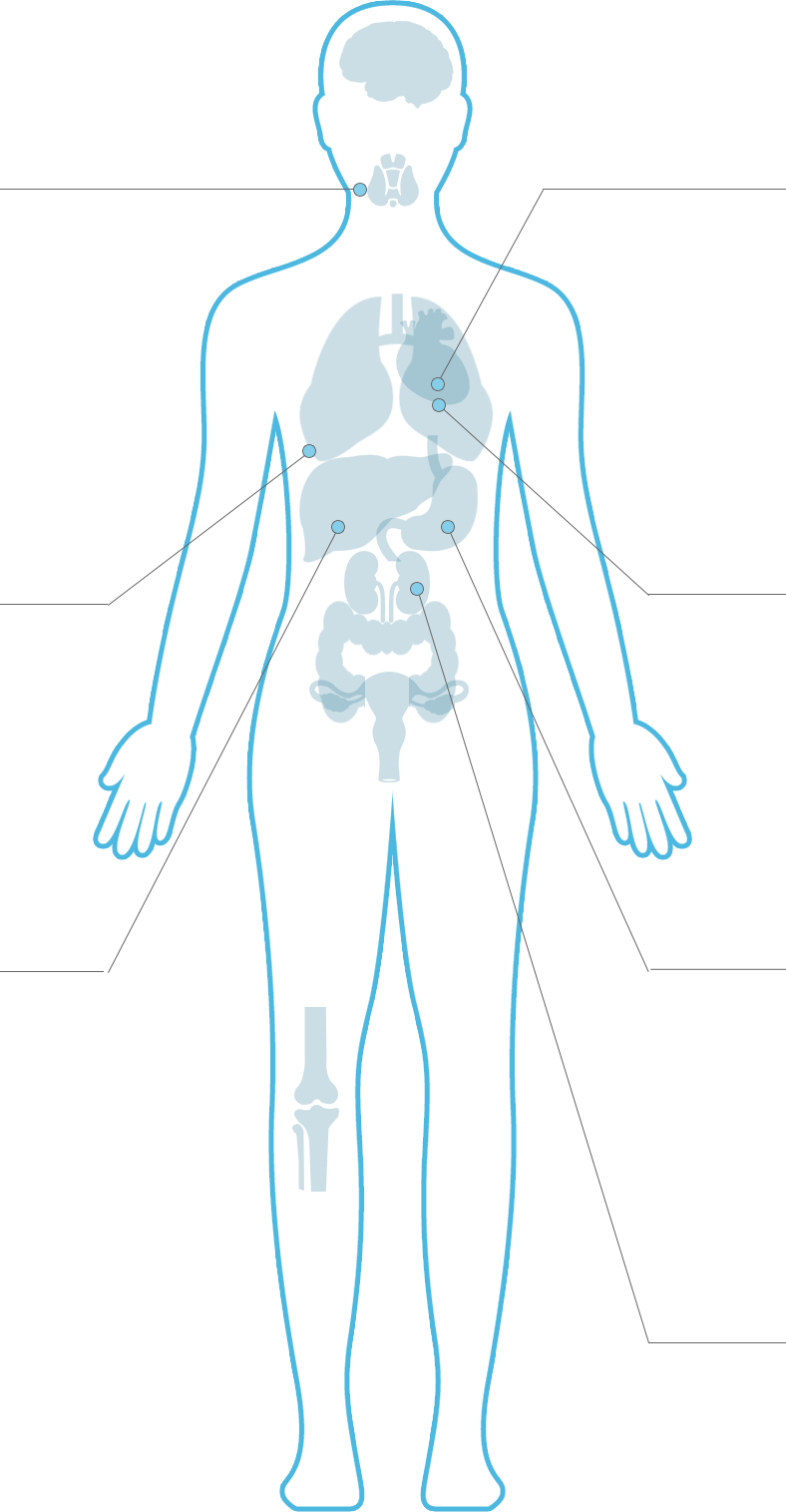
Your AIWO Smart Report analyzes 98 biomarkers to provide insights into your current health status with personalized recommendations for optimal wellness.
AIWOHealth
ContentsAnalysisAssessmentRecommendations
◀
▶
⌂
Name
Teena
Gender
Female
Age
22 Years
Biomarkers
98
Report Date
15/12/2025
Table of Contents
Navigation Guide
Your comprehensive AIWO Smart Report is organized into the following sections for easy navigation.
1
Introduction
What is Blood Chemistry Analysis
Page 3
2
Health Overview
Scorecard, Health Panels, Key Biomarkers
Page 4
3
Blood Test Results
Complete biomarker analysis by category
Pages 5-9
4
Out of Optimal Range
Detailed explanations for abnormal values
Pages 10-11
5
Blood Test Comparative
Trends compared to previous results
Page 12
6
Functional Body Systems
Dysfunction probability assessment
Pages 13-14
7
Health Concerns
Priority areas requiring support
Pages 15-16
8
Biomarker Reference Guide
Educational content and explanations
Pages 17-18
9
Supplements & Lifestyle
Personalized recommendations
Page 19
10
Disclaimer
Important legal information
Page 20
98
Biomarkers Analyzed
75
In Optimal Range
23
Require Attention
Note: This report uses functional medicine optimal ranges which are narrower than standard laboratory reference ranges. This approach helps identify patterns of dysfunction before they develop into clinical conditions.
AIWOHealth
ContentsAnalysisAssessmentRecommendations
◀
▶
⌂
Name
Teena
Gender
Female
Age
22 Years
Biomarkers
98
Report Date
15/12/2025
Blood Chemistry Analysis
Introduction
Understanding the difference between conventional and functional approaches to blood chemistry analysis.
What's Inside This Report
Complete Blood Count Analysis
Metabolic & Glucose Markers
Lipid & Cardiovascular Panel
Hormone & Thyroid Function
Vitamin & Mineral Status
Liver & Kidney Function
Why Blood Testing?
Blood testing is the most comprehensive window into your body's internal environment. It reveals nutritional status, organ function, metabolic health, and early warning signs that may not present symptoms yet.
Detects imbalances before symptoms appear
Provides objective, measurable data
Tracks changes over time
Guides personalized interventions
The Functional Approach
Functional medicine uses optimal ranges instead of just "normal" ranges. Standard lab ranges are based on population averages—including unhealthy individuals. Optimal ranges reflect where your markers should be for peak health.
Example: Standard fasting glucose "normal" is 70-100 mg/dL. Optimal functional range is 80-95 mg/dL to prevent insulin resistance.
Understanding the 7-Zone Classification
CRITICAL LOW
Urgent attention
LOW
Below range
SUBOPTIMAL
Monitor
OPTIMAL
Target zone
HIGH SUBOPT
Monitor
HIGH
Above range
CRITICAL HIGH
Urgent attention
Your Analysis Summary
98
Total Markers
77%
Optimal
15%
Borderline
8%
Out of Range
This report identifies patterns in your biomarkers to help you and your healthcare provider make informed decisions about your health optimization journey.
AIWOHealth
ContentsAnalysisAssessmentRecommendations
◀
▶
⌂
Name
Teena
Gender
Female
Age
22 Years
Biomarkers
98
Report Date
15/12/2025
Health Scorecard
Key Indicators
HbA1c
4.7%
Optimal
HS-CRP
0.76
Optimal
TG/HDL
1.09
Optimal
HOMA-IR
2.73
Monitor
Health Panels Status
12 Panels
All98
Low3
Below Optimal8
Optimal75
Above Optimal7
High5
Thyroid
Diabetes
Liver
Cardiac
Lipid
Pancreas
Kidneys
Arthritis
Iron
Steroids
Tumour
STD
Key Biomarkers
Indicators
Range Guide:Critical LowLowSuboptimalOptimalHigh SuboptimalHighCritical High
Vitamin D Total
ng/mL
5.14
Critical Low
0-1010-2020-3030-7575-100100-150>150
Testosterone (F)
ng/dL
48.1
High
<22-88-1515-4545-5050-70>70
Vitamin B12
pg/mL
173
Low
<150150-200200-300300-900900-1100>1100>2000
Fasting Blood Sugar
mg/dL
80.0
Optimal
<5555-6565-8080-9595-100100-126>126
Understanding Your Results
Education
Vitamin D (25-Hydroxy)
The "sunshine vitamin" that helps maintain healthy calcium and phosphorus levels. Critical for bone health, muscle strength, immune function, and insulin secretion.
Your Result: 5.14 ng/mL indicates severe deficiency. This level requires immediate attention and high-dose supplementation.
Lifestyle Recommendations
15-20 min morning sunlight daily (arms & face exposed)
Eat fatty fish (salmon, tuna), egg yolks, fortified foods
Take 60,000 IU weekly with fatty meal for absorption
Avoid smoking as it reduces vitamin D levels
Testosterone
Primary sex hormone affecting muscle mass, bone density, fat distribution, mood, and reproductive health. Levels vary based on age, time of day, and menstrual cycle.
Your Result: 48.1 ng/dL is elevated for females. May indicate PCOS, adrenal hyperplasia, or other hormonal conditions. Recommend endocrinology consultation.
Lifestyle Recommendations
Anti-inflammatory diet rich in vegetables and omega-3s
Stress management through yoga or meditation
Regular moderate exercise (avoid overtraining)
Consult endocrinologist for hormone evaluation
Historical Comparison
Trend Analysis
Biomarker
Current
Previous
Change
Status
Vitamin D
5.14 ng/mL
8.2 ng/mL
↓ 3.06
Vitamin B12
173 pg/mL
165 pg/mL
↑ 8
Hemoglobin
14.0 g/dL
13.5 g/dL
↑ 0.5
Fasting Insulin
13.8 µU/ml
11.2 µU/ml
↑ 2.6
Total Cholesterol
130 mg/dL
145 mg/dL
↓ 15
AIWOHealth
ContentsAnalysisAssessmentRecommendations
◀
▶
⌂
Name
Teena
Gender
Female
Age
22 Years
Biomarkers
98
Report Date
15/12/2025
Body Systems Overview
Visual Summary
Your biomarkers mapped to body systems. Colors indicate status: ● Normal ● Borderline ● Abnormal ● Untested
THYROID
T3
T4
TSH
DIABETES
Fasting Blood Sugar
HbA1C
HOMA-IR
LIVER
GGT
SGOT
SGPT
Serum Albumin
Bilirubin - Total
Alkaline Phosphatase
ARTHRITIS
Rheumatoid Factor
ANA
HEART
Homocysteine
Apolipoprotein - B
HS-CRP
LIPID
LDL
Total Cholesterol
HDL
Triglycerides
PANCREAS
Lipase
Amylase
KIDNEYS
Uric Acid
Serum Creatinin
Blood Urea Nitrogen
Calcium
Sodium
Chloride
AIWOHealth
ContentsAnalysisAssessmentRecommendations
◀
▶
⌂
Name
Teena
Gender
Female
Age
22 Years
Biomarkers
98
Report Date
15/12/2025
Body Systems Overview
Continued
Additional biomarker panels mapped to body systems.
STEROIDS PANEL
Cortisol
Estradiol
Progesterone
Testosterone
TUMOUR PANEL
CA 15.3
CA-125
Alpha Feto Protein
Carcino Embryonic Antigen
STD PANEL
HbSAg
VDRL
IRON
Serum Ferritin
Serum Iron
Status Summary
Normal
75
Borderline
15
Abnormal
5
Untested
3
Key Findings
Vitamin D Critical Low
5.14 ng/mL (Optimal: 30-100)
Testosterone Elevated
48.1 ng/dL (Optimal: 2-45)
Vitamin B12 Low
173 pg/mL (Optimal: 300-800)
Fasting Insulin High
13.8 µU/ml (Optimal: 2-6)
AIWOHealth
ContentsAnalysisAssessmentRecommendations
◀
▶
⌂
Name
Teena
Gender
Female
Age
22 Years
Biomarkers
98
Report Date
15/12/2025
Blood Test Results
Section 2: Analysis
Range Guide:Critical LowLowSuboptimalOptimalHigh SuboptimalHighCritical High
Blood Glucose Panel
6 tests
Fasting Glucose
80.0
mg/dL
Opt: 80-95
Optimal
↓
HbA1c
4.7
%
Opt: 4.0-5.4
Optimal
→
eAG (Est. Avg Glucose)
88.5
mg/dL
Opt: 80-111
Optimal
NEW
Insulin Fasting
13.8
µU/mL
Opt: 2.6-11
High Subopt
↑
HOMA-IR
2.72
index
Opt: 0.5-1.5
High
↑
HOMA-B
186.5
%
Opt: 60-150
High Subopt
NEW
Kidney Function Panel
5 tests
BUN
17.5
mg/dL
Opt: 13-22
Optimal
→
Creatinine
0.85
mg/dL
Opt: 0.7-1.1
Optimal
↑
BUN/Creatinine Ratio
20.6
ratio
Opt: 15-20
High Subopt
NEW
eGFR
105
mL/min
Opt: 90-120
Optimal
→
Uric Acid
5.2
mg/dL
Opt: 4-6
Optimal
↓
Electrolytes Panel
5 tests
Sodium
141
mEq/L
Opt: 138-145
Optimal
→
Potassium
4.3
mEq/L
Opt: 4.0-4.7
Optimal
↑
Chloride
103
mEq/L
Opt: 100-106
Optimal
→
CO2
26
mEq/L
Opt: 24-28
Optimal
NEW
Anion Gap
12
mEq/L
Opt: 8-14
Optimal
↓
AIWOHealth
ContentsAnalysisAssessmentRecommendations
◀
▶
⌂
Name
Teena
Gender
Female
Age
22 Years
Biomarkers
98
Report Date
15/12/2025
Proteins Panel
4 tests
Total Protein
7.2
g/dL
Opt: 6.6-7.8
Optimal
→
Albumin
4.8
g/dL
Opt: 4.4-5.5
Optimal
↑
Globulin
2.4
g/dL
Opt: 2.1-2.8
Optimal
→
A/G Ratio
2.0
ratio
Opt: 1.7-2.2
Optimal
NEW
Minerals Panel
4 tests
Calcium
9.6
mg/dL
Opt: 9.2-10.2
Optimal
→
Magnesium
1.8
mg/dL
Opt: 2.0-2.5
Suboptimal
↓
Phosphorus
3.2
mg/dL
Opt: 2.5-3.5
Optimal
NEW
Zinc
72
µg/dL
Opt: 80-130
Suboptimal
↓
Liver & Gallbladder Panel
6 tests
ALP
52
U/L
Opt: 30-60
Optimal
→
AST (SGOT)
22
U/L
Opt: 15-28
Optimal
↓
ALT (SGPT)
18
U/L
Opt: 10-26
Optimal
→
Total Bilirubin
0.6
mg/dL
Opt: 0.4-1.0
Optimal
NEW
Direct Bilirubin
0.15
mg/dL
Opt: 0.1-0.3
Optimal
NEW
GGT
8
U/L
Opt: 3-15
Optimal
↓
AIWOHealth
ContentsAnalysisAssessmentRecommendations
◀
▶
⌂
Name
Teena
Gender
Female
Age
22 Years
Biomarkers
98
Report Date
15/12/2025
Iron Markers Panel
5 tests
Iron, Serum
95
µg/dL
Opt: 70-120
Optimal
→
Ferritin
28
ng/mL
Opt: 40-100
Suboptimal
↓
TIBC
345
µg/dL
Opt: 300-400
Optimal
NEW
% Transferrin Sat
28
%
Opt: 25-35
Optimal
NEW
Hemoglobin
14.0
g/dL
Opt: 12-16
Optimal
↑
Vitamins & Hormones Panel
6 tests
Vitamin D Total
5.14
ng/mL
Opt: 30-75
Critical Low
↓
Vitamin B12
173
pg/mL
Opt: 300-900
Low
→
Folate (B9)
14.2
ng/mL
Opt: 11-22.6
Optimal
↑
TSH
2.1
µIU/mL
Opt: 1.5-2.5
Optimal
→
Free T3
0.38
ng/dL
Opt: 0.3-0.47
Optimal
NEW
Testosterone
48.1
ng/dL
Opt: 15-45 (F)
High
↑
Lipid Profile Panel
7 tests
Total Cholesterol
130
mg/dL
Opt: 0-200
Optimal
↓
HDL
52.2
mg/dL
Opt: 45-80
Optimal
↑
LDL
72.0
mg/dL
Opt: 50-100
Optimal
→
VLDL
11.4
mg/dL
Opt: 0-20
Optimal
NEW
Triglycerides
56.8
mg/dL
Opt: 0-100
Optimal
↓
LDL/HDL Ratio
1.38
ratio
Opt: 0.5-2.3
Optimal
NEW
Non-HDL Cholesterol
77.8
mg/dL
Opt: 0-130
Optimal
NEW
AIWOHealth
ContentsAnalysisAssessmentRecommendations
◀
▶
⌂
Name
Teena
Gender
Female
Age
22 Years
Biomarkers
98
Report Date
15/12/2025
Complete Blood Count (CBC)
8 tests
RBC Count
4.84
M/µL
Opt: 4.2-5.8
Optimal
→
WBC Count
8.55
K/µL
Opt: 4-6.5
High Subopt
↓
Platelets
246
K/µL
Opt: 150-350
Optimal
NEW
Hematocrit (HCT)
42.5
%
Opt: 38-46
Optimal
↑
MCV
88
fL
Opt: 85-93
Optimal
→
MCH
28.9
pg
Opt: 27-31
Optimal
NEW
MCHC
33.0
g/dL
Opt: 32-36
Optimal
→
RDW-CV
12.8
%
Opt: 11.5-13
Optimal
NEW
WBC Differential
5 tests
Neutrophils
62
%
Opt: 40-55
High Subopt
↑
Lymphocytes
28
%
Opt: 30-40
Suboptimal
↓
Monocytes
6
%
Opt: 4-8
Optimal
→
Eosinophils
3
%
Opt: 1-4
Optimal
NEW
Basophils
1
%
Opt: 0-2
Optimal
NEW
Inflammatory Markers
4 tests
hs-CRP
1.8
mg/L
Opt: 0-0.5
High Subopt
↑
ESR
12
mm/hr
Opt: 0-15
Optimal
→
Homocysteine
8.2
µmol/L
Opt: 5-9
Optimal
↓
LDH
165
U/L
Opt: 115-200
Optimal
NEW
AIWOHealth
ContentsAnalysisAssessmentRecommendations
◀
▶
⌂
Name
Teena
Gender
Female
Age
22 Years
Biomarkers
98
Report Date
15/12/2025
Biomarkers Out of Optimal Range
12 Markers Flagged
The following biomarkers fall outside the optimal functional range. These are areas where proactive intervention may help
optimize your health and prevent future dysfunction.
Vitamin D Total
Vitamins Panel
Critical Low
5.14 ng/mL
Optimal: 30-75 ng/mL
Why it matters: Critically low Vitamin D levels are associated with weakened immune function, bone health issues,
increased inflammation, and higher risk of chronic disease. Levels below 10 ng/mL require immediate attention.
Vitamin B12
Vitamins Panel
Low
173 pg/mL
Optimal: 300-900 pg/mL
Why it matters: Low B12 affects energy production, nerve function, and red blood cell formation.
It can cause fatigue, cognitive issues, and neurological symptoms. Consider supplementation with methylcobalamin.
HOMA-IR (Insulin Resistance)
Blood Glucose Panel
High
2.72 index
Optimal: 0.5-1.5
Why it matters: Elevated HOMA-IR indicates insulin resistance, a precursor to type 2 diabetes.
This affects how your body processes glucose and can lead to metabolic syndrome, weight gain, and cardiovascular issues.
Fasting Insulin
Blood Glucose Panel
High Subopt
13.8 µU/mL
Optimal: 2.6-11 µU/mL
Why it matters: Elevated fasting insulin suggests the pancreas is working harder to maintain blood sugar.
This early warning sign of insulin resistance can be addressed with dietary changes and exercise.
Testosterone
Hormones Panel
High
48.1 ng/dL
Optimal (F): 15-45 ng/dL
Why it matters: Elevated testosterone in females may indicate PCOS, adrenal dysfunction, or other hormonal imbalances.
This can affect menstrual regularity, skin health, and metabolic function.
AIWOHealth
ContentsAnalysisAssessmentRecommendations
◀
▶
⌂
Name
Teena
Gender
Female
Age
22 Years
Biomarkers
98
Report Date
15/12/2025
Blood Test Comparative Analysis
Current vs Previous
Compare your current results with your previous test from July 2024. Arrows indicate the direction of change.
Green indicates improvement toward optimal, red indicates movement away from optimal.
Biomarker
Jul 2024
Jan 2025
Change
Optimal Range
Status
Vitamin D Total
8.2 ng/mL
5.14 ng/mL
↓ 37%
30-75 ng/mL
Critical Low
Vitamin B12
185 pg/mL
173 pg/mL
↓ 6%
300-900 pg/mL
Low
Fasting Insulin
11.2 µU/mL
13.8 µU/mL
↑ 23%
2.6-11 µU/mL
High Subopt
HOMA-IR
2.15
2.72
↑ 26%
0.5-1.5
High
Hemoglobin
13.2 g/dL
14.0 g/dL
↑ 6%
12-16 g/dL
Optimal
Total Cholesterol
158 mg/dL
130 mg/dL
↓ 18%
0-200 mg/dL
Optimal
HDL Cholesterol
48.5 mg/dL
52.2 mg/dL
↑ 8%
45-80 mg/dL
Optimal
Fasting Glucose
82 mg/dL
80 mg/dL
→ 2%
80-95 mg/dL
Optimal
HbA1c
4.8%
4.7%
→ 2%
4.0-5.4%
Optimal
TSH
2.0 µIU/mL
2.1 µIU/mL
→ 5%
1.5-2.5 µIU/mL
Optimal
Creatinine
0.82 mg/dL
0.85 mg/dL
→ 4%
0.7-1.1 mg/dL
Optimal
3
Improved
5
Stable
2
Needs Attention
2
Worsened
AIWOHealth
ContentsAnalysisAssessmentRecommendations
◀
▶
⌂
Name
Teena
Gender
Female
Age
22 Years
Biomarkers
98
Report Date
15/12/2025
Functional Body Systems Assessment
Section 3: Assessment
Your biomarkers are analyzed using functional medicine algorithms to identify patterns indicating potential dysfunction.
Higher percentages indicate greater probability of system imbalance requiring attention.
Vitamin Status
95%
Critical: Vitamin D & B12 severely deficient. Immediate supplementation recommended.
Key markers: Vit D, B12, Folate
Hormone Balance
78%
High: Elevated testosterone suggests possible hormonal imbalance. Further evaluation advised.
Low Risk: All liver enzymes within optimal range. Excellent liver health maintained.
Key markers: AST, ALT, ALP, GGT
Thyroid Function
18%
Low Risk: TSH and Free T3 are optimal. Thyroid function appears healthy.
Key markers: TSH, Free T3, Free T4
Red Blood Cells
15%
Low Risk: Hemoglobin, RBC, and indices are optimal. Good oxygen-carrying capacity.
Key markers: RBC, Hemoglobin, MCV
Critical (>85%)
High (60-85%)
Moderate (40-60%)
Low (<40%)
AIWOHealth
ContentsAnalysisAssessmentRecommendations
◀
▶
⌂
Name
Teena
Gender
Female
Age
22 Years
Biomarkers
98
Report Date
15/12/2025
Priority Systems - Detailed Analysis
Requires Attention
Vitamin Status Dysfunction
Critical - Immediate Action Required
95%
Dysfunction Probability
What This Means
Your vitamin levels show significant deficiencies that can impact multiple body systems. Vitamin D at 5.14 ng/mL
is critically low (optimal: 30-75 ng/mL), affecting bone health, immune function, and mood. Vitamin B12 at 173 pg/mL
is also low (optimal: 300-900 pg/mL), which can cause fatigue, neurological issues, and impaired methylation.
25-OH Vitamin D
Active B12 (Holotranscobalamin)
MMA (Methylmalonic Acid)
Blood Sugar Regulation
High Risk - Lifestyle Modification Needed
68%
Dysfunction Probability
What This Means
Your blood sugar markers indicate early insulin resistance. While fasting glucose (80 mg/dL) and HbA1c (4.7%) are optimal,
your fasting insulin (13.8 µU/mL) and HOMA-IR (2.72) are elevated. This means your body is producing extra insulin to maintain
normal blood sugar - an early warning sign of metabolic dysfunction that can lead to type 2 diabetes if not addressed.
Your testosterone level (48.1 ng/dL) is elevated for females (optimal: 15-45 ng/dL). Combined with the insulin resistance pattern,
this may suggest a condition like PCOS (Polycystic Ovary Syndrome). Elevated androgens can affect menstrual cycles, skin health,
and metabolic function. Thyroid markers (TSH, T3) are optimal, ruling out thyroid-related hormonal issues.
LH/FSH Ratio
Free Testosterone
Anti-Müllerian Hormone (AMH)
AIWOHealth
ContentsAnalysisAssessmentRecommendations
◀
▶
⌂
Name
Teena
Gender
Female
Age
22 Years
Biomarkers
98
Report Date
15/12/2025
Health Concerns
Support Priorities
Based on your biomarker analysis, these areas have been identified as priorities requiring support. Higher percentages indicate greater need for intervention.
95%
Vitamin Status
Critical
78%
Hormone Balance
High
58%
Blood Sugar
Moderate
45%
Kidney Function
Low
Vitamin Deficiency
Vitamin D & B12 critically low
95%
Support Need
Severe Vitamin D deficiency (5.14 ng/mL) and suboptimal B12 levels require immediate supplementation. Both vitamins are essential for immune function, bone health, and neurological well-being.
Hormonal Imbalance
Elevated testosterone levels
78%
Support Need
Testosterone at 48.1 ng/dL exceeds optimal range. May indicate PCOS or adrenal dysfunction. Recommend endocrinology consultation for further evaluation.
Blood Sugar Regulation
Elevated fasting insulin
58%
Support Need
Fasting insulin at 13.8 µU/ml suggests developing insulin resistance. Focus on low glycemic diet, regular exercise, and stress management to improve metabolic health.
Kidney Markers
Slightly elevated creatinine
45%
Support Need
Minor elevation in kidney markers. Maintain adequate hydration, reduce sodium intake, and monitor in follow-up testing. Current levels are not concerning but worth tracking.
AIWOHealth
ContentsAnalysisAssessmentRecommendations
◀
▶
⌂
Name
Teena
Gender
Female
Age
22 Years
Biomarkers
98
Report Date
15/12/2025
Biomarker Reference Guide
Educational
Understanding what each biomarker measures, why it matters, optimal ranges, and food sources to optimize your levels.
Hematology Panel
Hemoglobin (Hb)14.0 g/dL
What is it?
Protein in red blood cells that carries oxygen from lungs to body tissues.
Why Important?
Low levels cause anemia, fatigue, weakness, and shortness of breath.
Optimal Range
12.0 - 15.5 g/dL (Female) · Your level is optimal.
Food Sources
Red meatSpinachLentilsEggs
RBC Count4.84 M/µL
What is it?
Number of red blood cells that transport oxygen throughout your body.
Why Important?
Low RBC = anemia; High RBC may signal dehydration or bone marrow issues.
Optimal Range
4.0 - 5.5 M/µL (Female) · Your level is optimal.
Food Sources
Iron-rich meatsVitamin CLeafy greens
WBC Count8.55 K/µL
What is it?
Immune cells that fight infections, bacteria, and viruses in your body.
Why Important?
High = infection/inflammation; Low = weakened immune defense.
Optimal Range
4.5 - 11.0 K/µL · Your level is optimal.
Boost Immunity
CitrusGarlicGingerSleep
Platelets246 K/µL
What is it?
Cell fragments that help blood clot and stop bleeding from injuries.
Why Important?
Low = easy bruising/bleeding; High = increased clot risk.
Optimal Range
150 - 400 K/µL · Your level is optimal.
Support With
Folate foodsVitamin CB12 sources
PDW16.0%
What is it?
Platelet Distribution Width - measures variation in platelet sizes.
Why Important?
Elevated may indicate platelet activation or inflammation.
Optimal Range
9.6 - 15.2% · Slightly elevated. Monitor in follow-up.
Recommendations
💧 Stay hydrated🔬 Recheck 3 months
Glucose & Diabetes Panel
Fasting Glucose80.0 mg/dL
What is it?
Blood sugar level after 8-12 hours fasting. Primary energy for cells.
Why Important?
High = prediabetes/diabetes; Low = dizziness, fatigue.
Optimal Range
70 - 100 mg/dL · Your level is optimal.
Maintain With
Low glycemicExerciseSleep
HbA1c4.7%
What is it?
Average blood sugar over 2-3 months. Best long-term diabetes indicator.
Why Important?
High HbA1c damages blood vessels, nerves, kidneys, and eyes.
Optimal Range
4.0 - 5.6% · Excellent. No diabetes risk.
Maintain With
Fiber-rich dietDaily activityHealthy weight
Fasting Insulin13.8 µU/ml
What is it?
Hormone that regulates blood sugar by helping cells absorb glucose.
Why Important?
High insulin = insulin resistance, increasing Type 2 diabetes risk.
Optimal Range
2 - 12 µU/ml · Early insulin resistance detected.
Improve With
Leafy greensBerriesNutsExercise
AIWOHealth
ContentsAnalysisAssessmentRecommendations
◀
▶
⌂
Name
Teena
Gender
Female
Age
22 Years
Biomarkers
98
Report Date
15/12/2025
Biomarker Reference Guide
Continued
Vitamins & Hormones
Vitamin D5.14 ng/mL
What is it?
Fat-soluble "sunshine vitamin" for calcium absorption and bone health.
Why Important?
Deficiency causes bone pain, weakness, fatigue, depression, weak immunity.
Optimal Range
30 - 100 ng/mL · SEVERE DEFICIENCY. Supplement immediately.
Food Sources
SalmonMackerelEgg yolksMushroomsSunlight
Vitamin B12173 pg/mL
What is it?
Water-soluble vitamin for nerve function, DNA, and red blood cells.
15-20 min morning sunlight daily for natural Vitamin D and circadian rhythm regulation.
Sleep & Stress
7-9 hours quality sleep. Practice mindfulness for hormonal balance and immune function.
AIWOHealth
ContentsAnalysisAssessmentRecommendations
◀
▶
⌂
Name
Teena
Gender
Female
Age
22 Years
Biomarkers
98
Report Date
15/12/2025
Disclaimer & Important Information
Educational Purpose Only
This Blood Chemistry Analysis report is provided for educational and informational purposes only.
It is not intended to be a substitute for professional medical advice, diagnosis, or treatment.
Professional Medical Advice
Always seek the advice of your physician or other qualified health provider with any questions you may have
regarding a medical condition. Never disregard professional medical advice or delay in seeking it because
of something you have read in this report.
Functional Ranges vs Standard Ranges
The functional ranges used in this report represent optimal health ranges and may differ from standard
laboratory reference ranges. These functional ranges are based on clinical research and are designed to
identify early trends toward dysfunction before disease develops. Standard lab ranges are typically based
on statistical averages of the population tested, which may include unhealthy individuals.
Supplements & Recommendations
Any supplement or lifestyle recommendations provided in this report should be discussed with your healthcare
provider before implementation. Supplements can interact with medications and may not be appropriate for
everyone. Your healthcare provider can help determine the appropriate dosages and whether these
recommendations are suitable for your individual health needs.
Laboratory Results
Laboratory test results can be affected by many factors including diet, medications, hydration status,
time of day, and testing methodology. A single test result should not be used to make definitive
diagnoses. Trends over time and comprehensive clinical evaluation are essential for accurate assessment.
Our Commitment to Your Health
At AIWOHealth, we are committed to empowering you with knowledge about your health. This report is designed
to help you understand your blood chemistry from a functional perspective and to facilitate meaningful
conversations with your healthcare providers.
We encourage you to share this report with your healthcare team and use it as a tool for proactive health
management. Together with your healthcare providers, you can develop a personalized plan to optimize your
health and well-being.